Strategies for Attracting, Developing, and Retaining Talent吸引、培养与留住人才的战略吸引、培養與留住人才的戰略인재 유치·육성·유지 전략استراتيجيات استقطاب الكفاءات وتطويرها والاحتفاظ بها
International Financial Centers国际金融中心國際金融中心국제금융센터المراكز المالية الدولية
World Alliance of International Financial Centers (WAIFC) · February 2025世界国际金融中心联盟(WAIFC) · 2025 年 2 月世界國際金融中心聯盟(WAIFC) · 2025 年 2 月세계국제금융센터연합(WAIFC) · 2025년 2월التحالف العالمي للمراكز المالية الدولية (WAIFC) · فبراير 2025
Download PDF下载 PDF下載 PDFPDF 다운로드تنزيل ملف PDF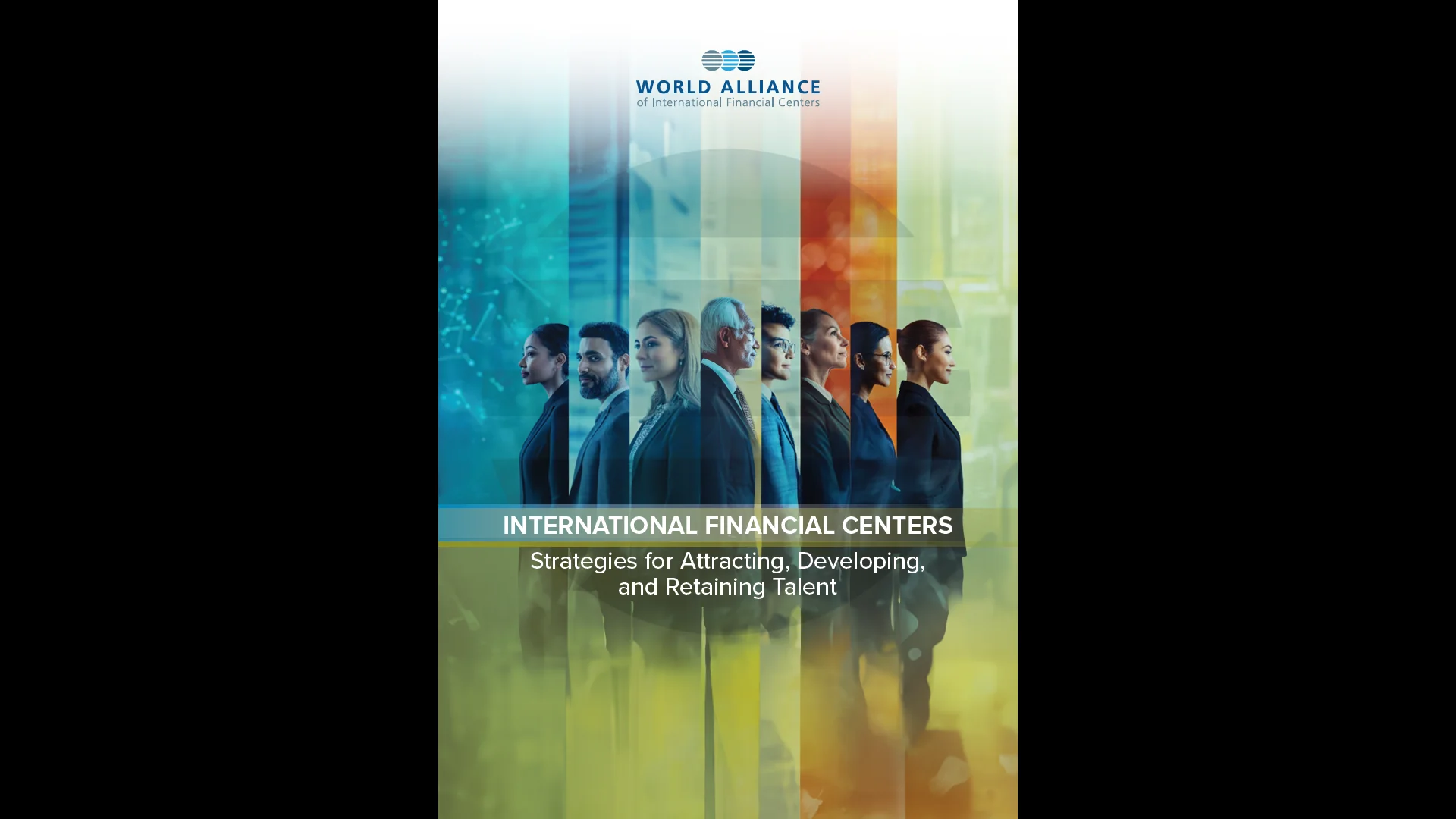 Download PDF下载 PDF下載 PDFPDF 다운로드تنزيل ملف PDF
 Publication Details出版物详情出版物詳情간행물 정보تفاصيل المنشور
- Publisher出版方出版方발행 기관الناشر
- World Alliance of International Financial Centers (WAIFC)世界国际金融中心联盟(WAIFC)世界國際金融中心聯盟(WAIFC)세계국제금융센터연합(WAIFC)التحالف العالمي للمراكز المالية الدولية (WAIFC)
- Coordinated by统筹编制統籌編製총괄 기관تنسيق
- Luxembourg for Finance卢森堡金融促进署盧森堡金融促進署룩셈부르크 포 파이낸스(LFF)Luxembourg for Finance (LFF)
- Type类型類型유형النوع
- Industry Report行业报告行業報告산업 보고서تقرير قطاعي
- Date日期日期날짜التاريخ
- February 20252025 年 2 月2025 年 2 月2025년 2월فبراير 2025
- Pages页数頁數페이지عدد الصفحات
- 4545454545
About WAIFC关于 WAIFC關於 WAIFCWAIFC 소개نبذة عن التحالف العالمي
The World Alliance of International Financial Centers (WAIFC) is a non-profit association registered in Belgium, representing 27 leading international financial centers globally. It facilitates cooperation between its members, the exchange of best practices, and communication with the general public.世界国际金融中心联盟(WAIFC)是一个在比利时注册的非营利协会,代表全球27个主要国际金融中心。WAIFC促进成员间的合作、最佳实践的交流,以及与公众的沟通。世界國際金融中心聯盟(WAIFC)是一個在比利時註冊的非營利協會,代表全球27個主要國際金融中心。WAIFC促進成員間的合作、最佳實踐的交流,以及與公眾的溝通。세계국제금융센터연합(WAIFC)은 벨기에에 등록된 비영리 협회로, 전 세계 27개 주요 국제금융센터를 대표한다. 회원 간 협력, 모범 사례 교류, 일반 대중과의 소통을 촉진한다.التحالف العالمي للمراكز المالية الدولية (WAIFC) جمعية غير ربحية مسجلة في بلجيكا، تمثّل 27 مركزاً مالياً دولياً رائداً حول العالم. ويعمل التحالف على تيسير التعاون بين أعضائه، وتبادل أفضل الممارسات، والتواصل مع عامة الجمهور.
waifc.finance →waifc.finance →waifc.finance →waifc.finance →waifc.finance ←Abstract摘要摘要초록الملخص
Coordinated by Luxembourg for Finance and published by WAIFC, this report surveys how member financial centers are attracting, developing and retaining talent amid rapid transformation driven by AI, sustainability imperatives and shifting workforce expectations. It documents strong employment growth across financial centers in 2023–2024: Hong Kong's finance, insurance and professional services workforce grew 2.9% to 684,000 people; Luxembourg's financial sector employment exceeded 70,100 by the end of 2024, up from 49,985 in 2011; Dubai's DIFC now hosts over 46,000 professionals, almost double the figure five years ago, with its AI, fintech and innovation workforce growing 43% in the last year alone; and Abu Dhabi's ADGM created 2,500 new jobs by mid-2024, a 15% year-on-year increase.本报告由卢森堡金融促进署统筹编制,由世界国际金融中心联盟(WAIFC)发布,考察了在人工智能、可持续发展诉求及员工期望变化等因素驱动的快速转型背景下,各成员金融中心如何吸引、培养与留住人才。报告记录了2023至2024年间各金融中心强劲的就业增长:香港金融、保险及专业服务从业人员增长2.9%,达到68.4万人;卢森堡金融业就业人数截至2024年末超过70,100人,较2011年的49,985人大幅增长;迪拜国际金融中心(DIFC)目前拥有逾46,000名从业人员,较五年前几乎翻倍,其人工智能、金融科技及创新领域从业人员在过去一年内增长43%;阿布扎比全球市场(ADGM)截至2024年年中新增2,500个岗位,同比增长15%。本報告由盧森堡金融促進署統籌編製,由世界國際金融中心聯盟(WAIFC)發布,考察了在人工智能、可持續發展訴求及員工期望變化等因素驅動的快速轉型背景下,各成員金融中心如何吸引、培養與留住人才。報告記錄了2023至2024年間各金融中心強勁的就業增長:香港金融、保險及專業服務從業人員增長2.9%,達到68.4萬人;盧森堡金融業就業人數截至2024年末超過70,100人,較2011年的49,985人大幅增長;杜拜國際金融中心(DIFC)目前擁有逾46,000名從業人員,較五年前幾乎翻倍,其人工智能、金融科技及創新領域從業人員在過去一年內增長43%;阿布達比全球市場(ADGM)截至2024年年中新增2,500個崗位,同比增長15%。룩셈부르크 포 파이낸스(LFF)가 총괄하고 WAIFC가 발간한 이 보고서는 AI, 지속가능성 요구, 변화하는 인력의 기대가 이끄는 급격한 전환 속에서 회원 금융센터들이 어떻게 인재를 유치하고 육성하며 유지하고 있는지 조사한다. 보고서는 2023~2024년 금융센터 전반의 강력한 고용 증가를 기록한다. 홍콩의 금융·보험·전문 서비스 인력은 2.9% 증가한 68만 4,000명에 달했고, 룩셈부르크 금융 부문 고용은 2011년 49,985명에서 2024년 말 70,100명을 넘어섰다. 두바이의 DIFC는 현재 5년 전의 거의 두 배인 46,000명 이상의 전문 인력을 보유하고 있으며, AI·핀테크·혁신 인력은 지난 1년 동안에만 43% 증가했다. 아부다비의 ADGM은 2024년 중반까지 전년 대비 15% 증가한 2,500개의 새 일자리를 창출했다.يستعرض هذا التقرير، الذي نسّقته Luxembourg for Finance وأصدره التحالف العالمي للمراكز المالية الدولية، كيف تعمل المراكز المالية الأعضاء على استقطاب الكفاءات وتطويرها والاحتفاظ بها في ظل تحول سريع يقوده الذكاء الاصطناعي ومتطلبات الاستدامة وتغيّر توقعات القوى العاملة. ويوثّق التقرير نمواً قوياً في التوظيف عبر المراكز المالية خلال الفترة 2023–2024: فقد نمت القوى العاملة في قطاعات المال والتأمين والخدمات المهنية في هونغ كونغ بنسبة 2.9% لتبلغ 684,000 شخص؛ وتجاوز عدد العاملين في القطاع المالي في لوكسمبورغ 70,100 شخص بنهاية عام 2024، مقارنةً بـ49,985 شخصاً في عام 2011؛ ويضم مركز دبي المالي العالمي (DIFC) حالياً أكثر من 46,000 مهني، أي ما يقارب ضعف العدد قبل خمس سنوات، مع نمو القوى العاملة لديه في مجالات الذكاء الاصطناعي والتكنولوجيا المالية والابتكار بنسبة 43% في العام الماضي وحده؛ كما استحدث سوق أبوظبي العالمي (ADGM) 2,500 وظيفة جديدة بحلول منتصف عام 2024، بزيادة سنوية نسبتها 15%.
The report identifies widespread skill gaps in fintech, IT, cybersecurity and ESG-related roles: the World Economic Forum cites a critical global shortage of nearly 4 million cybersecurity professionals, while in the UK, 73% of financial sector roles are now classified as highly skilled compared with 51% across the whole economy. It highlights the growing importance of soft skills such as creativity, critical thinking and leadership, expected to grow at double-digit rates in demand through 2030, and notes that a 2024 CFS survey in Germany found 63% of financial firms struggling to attract junior staff and 66% finding it hard to hire experienced specialists, even as over 90% believe the sector has become more attractive as an employer over the last decade.报告指出,金融科技、信息技术、网络安全及ESG相关岗位普遍存在技能缺口:世界经济论坛援引数据称,全球网络安全专业人才短缺近400万人;英国73%的金融业岗位现已被归类为高技能岗位,而全经济体平均水平为51%。报告强调,创造力、批判性思维与领导力等软技能的重要性日益凸显,预计到2030年其需求增速将达两位数;报告还指出,2024年德国CFS的一项调查发现,63%的金融机构表示难以吸引初级员工,66%表示难以招聘资深专才,尽管超过90%的受访者认为该行业作为雇主的吸引力较十年前有所提升。報告指出,金融科技、資訊科技、網絡安全及ESG相關崗位普遍存在技能缺口:世界經濟論壇援引數據稱,全球網絡安全專業人才短缺近400萬人;英國73%的金融業崗位現已被歸類為高技能崗位,而全經濟體平均水平為51%。報告強調,創造力、批判性思維與領導力等軟技能的重要性日益凸顯,預計到2030年其需求增速將達兩位數;報告還指出,2024年德國CFS的一項調查發現,63%的金融機構表示難以吸引初級員工,66%表示難以招聘資深專才,儘管超過90%的受訪者認為該行業作為僱主的吸引力較十年前有所提升。보고서는 핀테크, IT, 사이버 보안, ESG 관련 직무에서 광범위한 역량 격차를 확인한다. 세계경제포럼(WEF)은 전 세계적으로 사이버 보안 전문가가 약 400만 명 부족한 심각한 상황을 지적하며, 영국에서는 금융 부문 직무의 73%가 고숙련으로 분류되는 반면 경제 전체에서는 그 비율이 51%이다. 보고서는 2030년까지 수요가 두 자릿수 비율로 증가할 것으로 예상되는 창의성, 비판적 사고, 리더십 같은 소프트 스킬의 중요성이 커지고 있음을 강조하고, 독일에서 실시된 2024년 CFS 설문조사에서 금융기업의 63%가 신입 직원 유치에, 66%가 경력 전문가 채용에 어려움을 겪고 있으며, 그럼에도 90% 이상은 지난 10년 동안 이 부문이 고용주로서 더 매력적으로 변했다고 생각한다는 점을 짚는다.ويحدد التقرير فجوات واسعة في المهارات في الوظائف المتعلقة بالتكنولوجيا المالية وتقنية المعلومات والأمن السيبراني والحوكمة البيئية والاجتماعية والمؤسسية (ESG): إذ يشير المنتدى الاقتصادي العالمي إلى نقص عالمي حاد يقارب 4 ملايين متخصص في الأمن السيبراني، بينما تُصنَّف 73% من وظائف القطاع المالي في المملكة المتحدة حالياً بوصفها وظائف عالية المهارة، مقارنةً بـ51% على مستوى الاقتصاد ككل. ويبرز التقرير الأهمية المتزايدة للمهارات الشخصية، مثل الإبداع والتفكير النقدي والقيادة، التي يُتوقع أن ينمو الطلب عليها بمعدلات من خانتين حتى عام 2030، ويشير إلى أن استطلاعاً أجراه CFS في ألمانيا عام 2024 وجد أن 63% من الشركات المالية تواجه صعوبة في استقطاب الموظفين المبتدئين، و66% تجد صعوبة في توظيف المتخصصين ذوي الخبرة، رغم أن أكثر من 90% منها ترى أن القطاع أصبح أكثر جاذبية بوصفه جهة توظيف خلال العقد الماضي.
Drawing on case studies across the WAIFC network, the report profiles concrete initiatives: the UK's Financial Services Skills Commission and its industry-wide reskilling targets; Luxembourg's Sustainable Finance Initiative tool mapping over 170 ESG and compliance training courses; Poland's fincrime cluster of roughly 40,000 professionals in AML, KYC and CFT roles, supported by a Future Finance Poland resilience project; Mauritius' joint AML/CFT graduate training programme run by the Bank of Mauritius and Financial Services Commission; and South Korea's Busan Metropolitan City, where specialized institutions train more than 2,000 digital specialists annually. The report concludes that continued global collaboration among financial centers — sharing best practices in reskilling, cross-border mobility, mentoring and diaspora engagement — will be essential to building a resilient, future-ready financial workforce.报告援引WAIFC网络内各成员的多项案例研究,介绍了具体举措:英国金融服务技能委员会及其全行业技能再培训目标;卢森堡可持续金融倡议(LSFI)推出的工具,绘制了逾170门ESG与合规培训课程;波兰约4万名从业人员组成的金融犯罪防控(fincrime)人才集群,涵盖反洗钱、了解你的客户(KYC)及反恐怖融资等岗位,并获得波兰未来金融基金会(FFP)相关韧性建设项目的支持;毛里求斯中央银行与金融服务委员会联合开展的反洗钱/反恐怖融资毕业生培训项目;以及韩国釜山广域市,当地专业机构每年培养逾2,000名数字化专才。报告最后总结指出,各金融中心之间持续开展全球协作——在技能再培训、跨境流动、导师制及侨民人才引进等领域分享最佳实践——对于打造具备韧性、面向未来的金融人才队伍至关重要。報告援引WAIFC網絡內各成員的多項案例研究,介紹了具體舉措:英國金融服務技能委員會及其全行業技能再培訓目標;盧森堡可持續金融倡議(LSFI)推出的工具,繪製了逾170門ESG與合規培訓課程;波蘭約4萬名從業人員組成的金融犯罪防控(fincrime)人才集群,涵蓋反洗錢、了解你的客戶(KYC)及反恐怖融資等崗位,並獲得波蘭未來金融基金會(FFP)相關韌性建設項目的支持;模里西斯中央銀行與金融服務委員會聯合開展的反洗錢/反恐怖融資畢業生培訓項目;以及韓國釜山廣域市,當地專業機構每年培養逾2,000名數字化專才。報告最後總結指出,各金融中心之間持續開展全球協作——在技能再培訓、跨境流動、導師制及僑民人才引進等領域分享最佳實踐——對於打造具備韌性、面向未來的金融人才隊伍至關重要。WAIFC 네트워크 전반의 사례 연구를 바탕으로, 보고서는 구체적인 이니셔티브를 소개한다. 영국 금융서비스역량위원회와 업계 전반의 리스킬링 목표, 170개 이상의 ESG 및 컴플라이언스 교육 과정을 정리한 룩셈부르크 지속가능금융 이니셔티브의 도구, 퓨처 파이낸스 폴란드의 회복력 프로젝트가 지원하는 AML·KYC·CFT 분야 약 40,000명 규모의 폴란드 금융범죄 대응 클러스터, 모리셔스 중앙은행과 금융서비스위원회가 운영하는 공동 AML/CFT 졸업생 교육 프로그램, 그리고 전문 기관들이 매년 2,000명 이상의 디지털 전문 인력을 양성하는 한국 부산광역시 등이다. 보고서는 리스킬링, 국경 간 이동, 멘토링, 디아스포라 참여에 관한 모범 사례를 공유하는 등 금융센터 간의 지속적인 글로벌 협력이 회복력 있고 미래에 대비된 금융 인력을 구축하는 데 필수적이라고 결론짓는다.واستناداً إلى دراسات حالة من مختلف أنحاء شبكة التحالف العالمي، يستعرض التقرير مبادرات ملموسة، منها: لجنة مهارات الخدمات المالية في المملكة المتحدة وأهدافها لإعادة التأهيل المهني على مستوى القطاع بأكمله؛ وأداة مبادرة التمويل المستدام في لوكسمبورغ التي ترصد أكثر من 170 دورة تدريبية في مجالَي الحوكمة البيئية والاجتماعية والمؤسسية والامتثال؛ وتجمّع مكافحة الجرائم المالية في بولندا الذي يضم نحو 40,000 مهني في وظائف مكافحة غسل الأموال و«اعرف عميلك» ومكافحة تمويل الإرهاب، بدعم من مشروع للمرونة تنفذه Future Finance Poland؛ وبرنامج التدريب المشترك للخريجين في مجال مكافحة غسل الأموال وتمويل الإرهاب الذي يديره بنك موريشيوس ولجنة الخدمات المالية في موريشيوس؛ ومدينة بوسان الكبرى في كوريا الجنوبية، حيث تدرّب مؤسسات متخصصة أكثر من 2,000 متخصص في المجال الرقمي سنوياً. ويخلص التقرير إلى أن استمرار التعاون العالمي بين المراكز المالية، عبر تبادل أفضل الممارسات في إعادة التأهيل المهني والتنقل عبر الحدود والإرشاد المهني وإشراك الجاليات في الخارج، سيكون أساسياً لبناء قوى عاملة مالية مرنة ومستعدة للمستقبل.