Islamic Finance in Africa: The Upcoming Frontier非洲伊斯兰金融:崭新前沿非洲伊斯蘭金融:嶄新前沿아프리카의 이슬람 금융: 다가오는 프런티어التمويل الإسلامي في أفريقيا: الأفق الصاعد
Casablanca Finance City (CFC) · September 2022卡萨布兰卡金融城(CFC) · 2022 年 9 月卡薩布蘭卡金融城(CFC) · 2022 年 9 月카사블랑카 파이낸스 시티(CFC) · 2022년 9월القطب المالي للدار البيضاء (CFC) · سبتمبر 2022
Download PDF下载 PDF下載 PDFPDF 다운로드تنزيل ملف PDF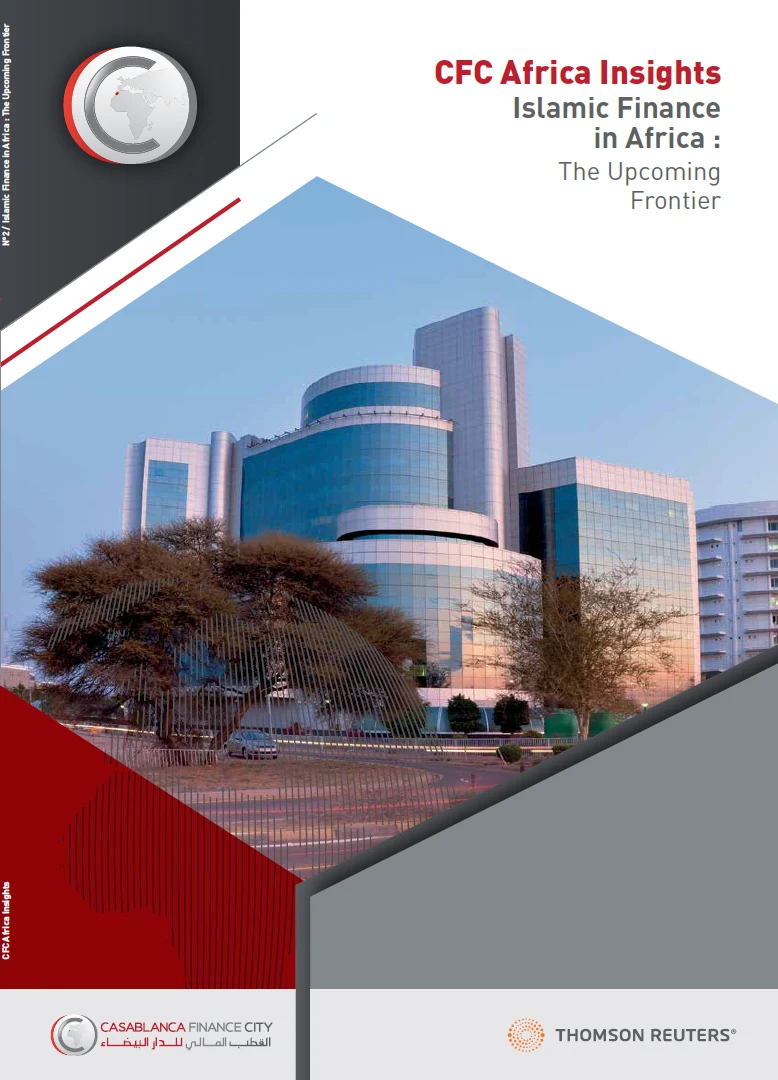 Download PDF下载 PDF下載 PDFPDF 다운로드تنزيل ملف PDF
 Publication Details出版物详情出版物詳情간행물 정보تفاصيل المنشور
- Publisher出版方出版方발행 기관الناشر
- Casablanca Finance City (CFC)卡萨布兰卡金融城(CFC)卡薩布蘭卡金融城(CFC)카사블랑카 파이낸스 시티(CFC)القطب المالي للدار البيضاء (CFC)
- Series系列系列시리즈السلسلة
- CFC Africa Insights, N°2CFC非洲洞察,第2期CFC非洲洞察,第2期CFC 아프리카 인사이트 제2호CFC Africa Insights، العدد 2
- Date日期日期날짜التاريخ
- September 20222022 年 9 月2022 年 9 月2022년 9월سبتمبر 2022
- Pages页数頁數페이지عدد الصفحات
- 4242424242
About Casablanca Finance City关于卡萨布兰卡金融城關於卡薩布蘭卡金融城카사블랑카 파이낸스 시티 소개نبذة عن القطب المالي للدار البيضاء
Casablanca Finance City (CFC) is Morocco's international financial hub, established to develop Casablanca as a leading gateway for investment into Africa, hosting regional headquarters of financial institutions, multinationals and professional services firms operating across the continent.卡萨布兰卡金融城(CFC)是摩洛哥的国际金融枢纽,旨在将卡萨布兰卡发展为通往非洲投资的重要门户,汇聚了众多在非洲大陆运营的金融机构、跨国企业及专业服务公司的区域总部。卡薩布蘭卡金融城(CFC)是摩洛哥的國際金融樞紐,旨在將卡薩布蘭卡發展為通往非洲投資的重要門戶,匯聚了眾多在非洲大陸運營的金融機構、跨國企業及專業服務公司的區域總部。카사블랑카 파이낸스 시티(CFC)는 모로코의 국제금융 허브로, 카사블랑카를 아프리카 투자의 선도적 관문으로 육성하기 위해 설립되었다. 아프리카 대륙 전역에서 활동하는 금융기관, 다국적 기업, 전문 서비스 기업의 지역 본부가 자리하고 있다.القطب المالي للدار البيضاء (CFC) هو المركز المالي الدولي للمغرب، أُنشئ بهدف تطوير الدار البيضاء لتصبح بوابة رائدة للاستثمار في أفريقيا، ويستضيف المقار الإقليمية لمؤسسات مالية وشركات متعددة الجنسيات وشركات خدمات مهنية تعمل في مختلف أنحاء القارة.
casablancafinancecity.com →casablancafinancecity.com →casablancafinancecity.com →casablancafinancecity.com →casablancafinancecity.com ←Abstract摘要摘要초록الملخص
The second edition of the CFC Africa Insights series describes Africa — the world's second-largest and second-most-populous continent, home to 1.2 billion people of whom around 40% are Muslim — as a long-dormant market for Islamic finance that has begun to awaken. Citing the Islamic Finance Development Report, it notes that global Islamic finance assets, valued at $2.2 trillion, were projected to reach $3.8 trillion, while Islamic finance assets in Africa specifically stood at $31.1 billion in 2016, spread across 206 Islamic finance institutions operating on the continent, alongside 147 Sukuk issuances that year, mostly in sub-Saharan Africa.本报告为CFC非洲洞察系列的第二期,将非洲——这一全球面积第二大、人口第二多的大陆,拥有12亿人口,其中约40%为穆斯林——描述为一个长期沉睡、如今正逐渐苏醒的伊斯兰金融市场。报告援引《伊斯兰金融发展报告》指出,全球伊斯兰金融资产规模已达2.2万亿美元,预计将进一步增长至3.8万亿美元;而非洲的伊斯兰金融资产规模在2016年为311亿美元,分布于非洲大陆206家伊斯兰金融机构,当年还完成了147笔伊斯兰债券(Sukuk)发行,其中大部分集中在撒哈拉以南非洲地区。本報告為CFC非洲洞察系列的第二期,將非洲——這一全球面積第二大、人口第二多的大陸,擁有12億人口,其中約40%為穆斯林——描述為一個長期沉睡、如今正逐漸甦醒的伊斯蘭金融市場。報告援引《伊斯蘭金融發展報告》指出,全球伊斯蘭金融資產規模已達2.2萬億美元,預計將進一步增長至3.8萬億美元;而非洲的伊斯蘭金融資產規模在2016年為311億美元,分佈於非洲大陸206家伊斯蘭金融機構,當年還完成了147筆伊斯蘭債券(Sukuk)發行,其中大部分集中在撒哈拉以南非洲地區。CFC 아프리카 인사이트 시리즈의 두 번째 호는 세계에서 두 번째로 넓고 두 번째로 인구가 많은 대륙으로, 12억 인구 중 약 40%가 무슬림인 아프리카를 오랫동안 잠들어 있다가 깨어나기 시작한 이슬람 금융 시장으로 묘사한다. 보고서는 이슬람금융발전보고서를 인용해, 2조 2,000억 달러 규모의 글로벌 이슬람 금융 자산이 3조 8,000억 달러에 이를 것으로 전망되었다고 언급한다. 아프리카만 보면 2016년 이슬람 금융 자산은 311억 달러로, 대륙에서 활동하는 206개 이슬람 금융기관에 분포해 있었으며, 같은 해 대부분 사하라 이남 아프리카에서 147건의 수쿠크가 발행되었다.يصف العدد الثاني من سلسلة CFC Africa Insights أفريقيا — ثانية قارات العالم من حيث المساحة وعدد السكان، والتي يقطنها 1.2 مليار نسمة نحو 40% منهم مسلمون — بأنها سوق للتمويل الإسلامي ظلت خاملة طويلاً وبدأت تستيقظ. واستناداً إلى «تقرير تنمية التمويل الإسلامي»، يشير العدد إلى أن أصول التمويل الإسلامي العالمية، المقدّرة بـ 2.2 تريليون دولار أمريكي، كان من المتوقع أن تبلغ 3.8 تريليون دولار أمريكي، في حين بلغت أصول التمويل الإسلامي في أفريقيا تحديداً 31.1 مليار دولار أمريكي في عام 2016، موزعة على 206 مؤسسات للتمويل الإسلامي تعمل في القارة، إلى جانب 147 إصداراً للصكوك في ذلك العام، معظمها في أفريقيا جنوب الصحراء الكبرى.
The report highlights specific country developments, including South Africa's 2014 sovereign Sukuk issuance — the largest on the continent at the time — Kenya's revision of its banking and capital markets regulations to pave the way for a future sovereign Sukuk, and Ivory Coast's debut Sukuk issuances marking Francophone Africa's entry into the market. It profiles five countries in detail — Nigeria as Africa's largest economy, Kenya as a gateway to East Africa, Ivory Coast as one of the continent's fastest-growing economies, and South Africa as among Africa's most developed Islamic finance markets, with 98 Islamic funds under management valued at $1.8 billion in 2016 — alongside a dedicated chapter on participative finance in Morocco.报告特别提及各国相关进展,包括南非2014年发行的主权伊斯兰债券——当时为非洲大陆规模最大的一笔——肯尼亚为未来发行主权伊斯兰债券而对银行业及资本市场监管制度进行的修订,以及科特迪瓦首次发行伊斯兰债券,标志着法语非洲正式进入该市场。报告详细介绍了五个国家:作为非洲最大经济体的尼日利亚、作为东非门户的肯尼亚、作为非洲经济增长最快经济体之一的科特迪瓦,以及作为非洲伊斯兰金融市场发展最成熟地区之一的南非(截至2016年,该国拥有98只伊斯兰基金,管理规模达18亿美元),并特设一章专门探讨摩洛哥的参与式金融发展。報告特別提及各國相關進展,包括南非2014年發行的主權伊斯蘭債券——當時為非洲大陸規模最大的一筆——肯尼亞為未來發行主權伊斯蘭債券而對銀行業及資本市場監管制度進行的修訂,以及科特迪瓦首次發行伊斯蘭債券,標誌著法語非洲正式進入該市場。報告詳細介紹了五個國家:作為非洲最大經濟體的尼日利亞、作為東非門戶的肯尼亞、作為非洲經濟增長最快經濟體之一的科特迪瓦,以及作為非洲伊斯蘭金融市場發展最成熟地區之一的南非(截至2016年,該國擁有98隻伊斯蘭基金,管理規模達18億美元),並特設一章專門探討摩洛哥的參與式金融發展。보고서는 국가별 동향을 구체적으로 짚는다. 당시 아프리카 최대 규모였던 남아프리카공화국의 2014년 국채 수쿠크 발행, 향후 국채 수쿠크 발행의 길을 열기 위한 케냐의 은행 및 자본시장 규정 개정, 그리고 프랑스어권 아프리카의 시장 진입을 알린 코트디부아르의 첫 수쿠크 발행 등이다. 또한 5개국을 상세히 소개하는데, 아프리카 최대 경제국인 나이지리아, 동아프리카의 관문인 케냐, 대륙에서 가장 빠르게 성장하는 경제국 중 하나인 코트디부아르, 그리고 2016년 운용 중인 이슬람 펀드가 98개, 18억 달러 규모로 아프리카에서 가장 발달한 이슬람 금융 시장 중 하나인 남아프리카공화국이 그것이며, 이와 함께 모로코의 참여금융에 관한 별도의 장을 두고 있다.ويسلط التقرير الضوء على تطورات بعينها في عدد من البلدان، منها إصدار جنوب أفريقيا للصكوك السيادية في عام 2014 — وهو الأكبر في القارة آنذاك — ومراجعة كينيا لأنظمتها المصرفية وأنظمة أسواق رأس المال تمهيداً لإصدار صكوك سيادية مستقبلاً، وإصدارات الصكوك الأولى لكوت ديفوار التي شكّلت دخول أفريقيا الناطقة بالفرنسية إلى هذه السوق. ويعرض التقرير بالتفصيل خمسة بلدان — نيجيريا بوصفها أكبر اقتصاد في أفريقيا، وكينيا بوصفها بوابة إلى شرق أفريقيا، وكوت ديفوار بوصفها من أسرع اقتصادات القارة نمواً، وجنوب أفريقيا بوصفها من أكثر أسواق التمويل الإسلامي تطوراً في أفريقيا، إذ ضمت 98 صندوقاً إسلامياً مُداراً بقيمة 1.8 مليار دولار أمريكي في عام 2016 — إلى جانب فصل مخصص للتمويل التشاركي في المغرب.
On Morocco specifically, the report notes that the Kingdom has revised its banking regulations to license five full-fledged participative banks and three Islamic windows, positioning itself as an aspiring Islamic finance hub for Africa via Casablanca Finance City; the Morocco Islamic Finance Report estimated participative banking could account for up to 5% of total banking assets, while Fitch Ratings anticipated 5–10% growth in participative bank deposits. The report closes with recommendations and key takeaways for building a healthier Islamic finance ecosystem in Africa, arguing that growing use of Sukuk for infrastructure financing, together with development of Islamic asset management — still nascent across the continent outside South Africa — could raise financial inclusion and banking penetration among Africa's large unbanked population.就摩洛哥而言,报告指出该国已修订银行业监管法规,批准五家全牌照参与式银行及三个伊斯兰金融窗口的运营,通过卡萨布兰卡金融城将自身定位为非洲新兴的伊斯兰金融中心;据《摩洛哥伊斯兰金融报告》估计,参与式银行业务有望占该国银行业总资产的5%,惠誉评级则预计参与式银行存款将实现5%至10%的增长。报告最后就构建更健康的非洲伊斯兰金融生态提出建议与要点,认为扩大伊斯兰债券在基础设施融资领域的运用,加之发展目前除南非外在非洲大陆仍处于起步阶段的伊斯兰资产管理业务,有望提升非洲庞大无银行账户人口的金融普惠水平与银行覆盖率。就摩洛哥而言,報告指出該國已修訂銀行業監管法規,批准五家全牌照參與式銀行及三個伊斯蘭金融窗口的運營,通過卡薩布蘭卡金融城將自身定位為非洲新興的伊斯蘭金融中心;據《摩洛哥伊斯蘭金融報告》估計,參與式銀行業務有望佔該國銀行業總資產的5%,惠譽評級則預計參與式銀行存款將實現5%至10%的增長。報告最後就構建更健康的非洲伊斯蘭金融生態提出建議與要點,認為擴大伊斯蘭債券在基礎設施融資領域的運用,加之發展目前除南非外在非洲大陸仍處於起步階段的伊斯蘭資產管理業務,有望提升非洲龐大無銀行賬戶人口的金融普惠水平與銀行覆蓋率。모로코와 관련해 보고서는 모로코 왕국이 은행 규정을 개정해 5개의 완전한 참여은행과 3개의 이슬람 창구를 인가했으며, 카사블랑카 파이낸스 시티를 통해 아프리카의 이슬람 금융 허브를 지향하고 있다고 설명한다. 모로코이슬람금융보고서는 참여은행이 전체 은행 자산의 최대 5%를 차지할 수 있다고 추산했으며, Fitch Ratings는 참여은행 예금이 5~10% 증가할 것으로 예상했다. 보고서는 끝으로 아프리카에서 더 건전한 이슬람 금융 생태계를 구축하기 위한 권고와 핵심 시사점을 제시하며, 인프라 금융에서 수쿠크 활용이 늘어나고 남아프리카공화국 외 대륙 전역에서 아직 초기 단계인 이슬람 자산운용이 발전한다면, 은행 계좌가 없는 아프리카의 대규모 인구 사이에서 금융포용과 은행 보급률을 높일 수 있다고 주장한다.وفي ما يخص المغرب تحديداً، يشير التقرير إلى أن المملكة عدّلت أنظمتها المصرفية لترخيص خمسة بنوك تشاركية متكاملة وثلاث نوافذ إسلامية، ساعيةً إلى أن تصبح مركزاً للتمويل الإسلامي في أفريقيا عبر القطب المالي للدار البيضاء؛ وقد قدّر «تقرير التمويل الإسلامي في المغرب» أن البنوك التشاركية قد تستحوذ على ما يصل إلى 5% من إجمالي الأصول المصرفية، في حين توقعت Fitch Ratings نمو ودائع البنوك التشاركية بنسبة تتراوح بين 5% و10%. ويُختتم التقرير بتوصيات وخلاصات رئيسية لبناء منظومة أكثر متانة للتمويل الإسلامي في أفريقيا، مؤكداً أن تنامي استخدام الصكوك في تمويل البنية التحتية، إلى جانب تطوير إدارة الأصول الإسلامية — التي لا تزال ناشئة في أنحاء القارة خارج جنوب أفريقيا — قد يرفعان مستوى الشمول المالي والانتشار المصرفي بين شريحة السكان الواسعة في أفريقيا التي لا تتعامل مع المصارف.