Cyfrowe Aktywa, Realna Gospodarka
Digital Assets, Real Economy数字资产,实体经济數字資產,實體經濟디지털자산, 실물경제الأصول الرقمية، الاقتصاد الحقيقي
The potential of tokenizing financial instruments in Poland, and implementation recommendations波兰金融工具代币化的潜力与落地建议波蘭金融工具代幣化的潛力與落地建議폴란드 금융상품 토큰화의 잠재력과 이행 권고안إمكانات ترميز الأدوات المالية في بولندا، وتوصيات التنفيذ
Future Finance Poland (FFP) · June 2026波兰未来金融基金会(FFP) · 2026 年 6 月波蘭未來金融基金會(FFP) · 2026 年 6 月퓨처 파이낸스 폴란드(FFP) · 2026년 6월Future Finance Poland (FFP) · يونيو 2026
Download PDF下载 PDF下載 PDFPDF 다운로드تنزيل ملف PDF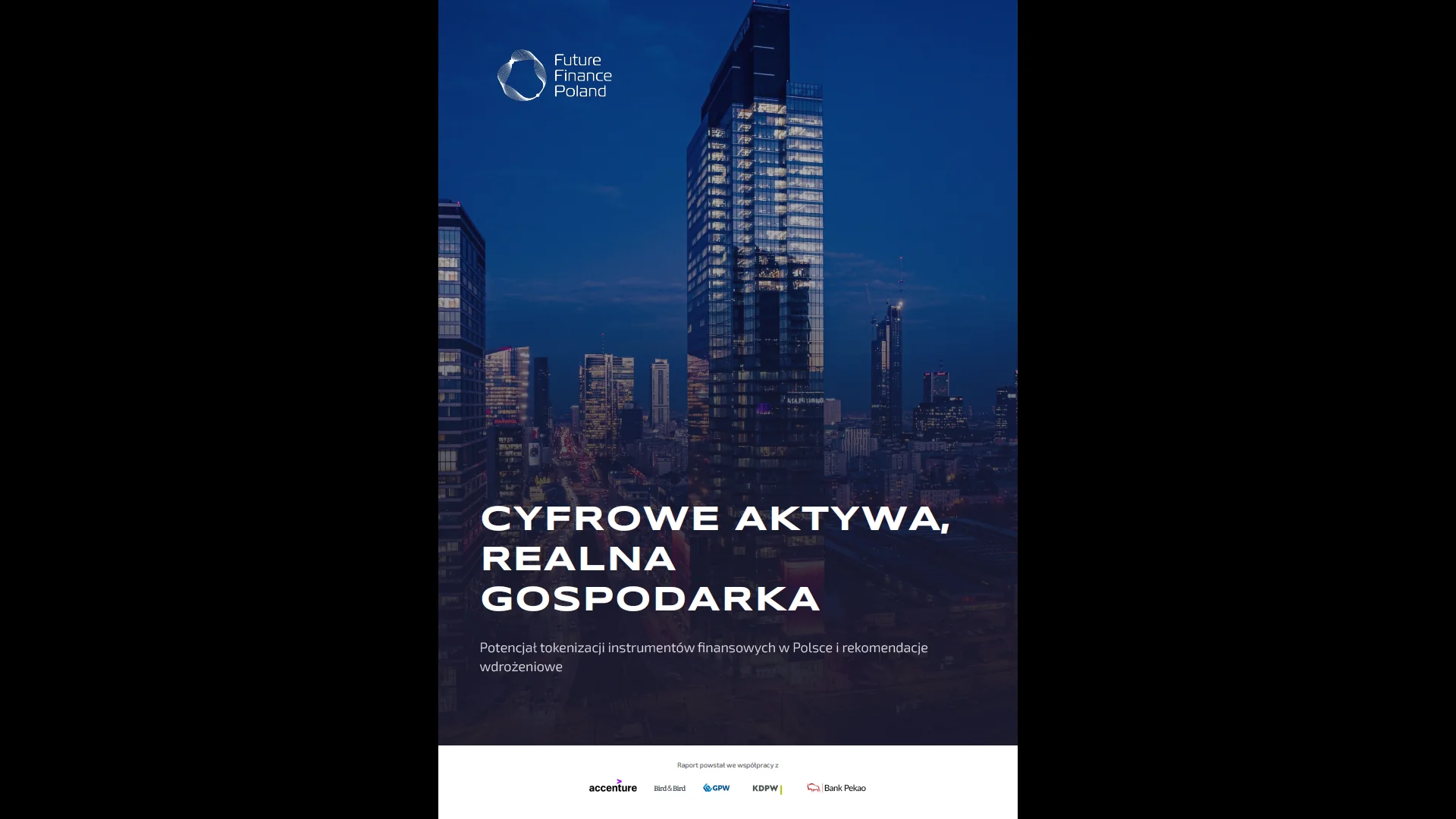 Download PDF下载 PDF下載 PDFPDF 다운로드تنزيل ملف PDF
 Publication Details出版物详情出版物詳情간행물 정보تفاصيل المنشور
- Publisher出版方出版方발행 기관الناشر
- Future Finance Poland (FFP)
- Editor主编主編편집التحرير
- Dr. Paweł Widawski, President, FFP
- In collaboration with合作机构合作機構협력 기관بالتعاون مع
- Accenture, Bird & Bird, GPW, KDPW, Bank Pekao
- Language语言語言언어اللغة
- Polish
- Type类型類型유형النوع
- Working Group Report
- Date日期日期날짜التاريخ
- June 2026
- Pages页数頁數페이지عدد الصفحات
- 83
About Future Finance Poland关于波兰未来金融基金会關於波蘭未來金融基金會퓨처 파이낸스 폴란드 소개نبذة عن Future Finance Poland
Future Finance Poland (FFP) is a foundation bringing together market leaders and legal and technology experts to advance Poland's financial sector. This report was produced by FFP's Digital Assets working group, in collaboration with Accenture, Bird & Bird, the Warsaw Stock Exchange (GPW), KDPW, and Bank Pekao.波兰未来金融基金会(FFP)汇聚市场领袖及法律与技术专家,共同推动波兰金融业的发展。本报告由 FFP 数字资产工作组编写,并与埃森哲、Bird & Bird、华沙证券交易所(GPW)、KDPW 及 Bank Pekao 合作完成。波蘭未來金融基金會(FFP)匯聚市場領袖及法律與技術專家,共同推動波蘭金融業的發展。本報告由 FFP 數字資產工作組編寫,並與埃森哲、Bird & Bird、華沙證券交易所(GPW)、KDPW 及 Bank Pekao 合作完成。퓨처 파이낸스 폴란드(FFP)는 시장 리더와 법률·기술 전문가들이 모여 폴란드 금융 부문의 발전을 도모하는 재단이다. 이 보고서는 FFP 디지털자산 워킹그룹이 Accenture, Bird & Bird, 바르샤바증권거래소(GPW), KDPW, Bank Pekao와 협력해 작성했다.Future Finance Poland (FFP) مؤسسة تجمع قادة السوق وخبراء القانون والتكنولوجيا من أجل النهوض بالقطاع المالي في بولندا. وقد أعدّ هذا التقرير فريقُ عمل الأصول الرقمية التابع لـFFP، بالتعاون مع Accenture وBird & Bird وبورصة وارسو (GPW) وKDPW وBank Pekao.
futurefinancepoland.com →futurefinancepoland.com →futurefinancepoland.com →futurefinancepoland.com →futurefinancepoland.com ←Abstract摘要摘要초록الملخص
The report is written in Polish. This abstract is FCN's translation, based on the report's own introduction.本报告以波兰语撰写。以下摘要为《金融中心新闻》根据报告引言部分翻译而成。本報告以波蘭語撰寫。以下摘要為《金融中心新聞》根據報告引言部分翻譯而成。이 보고서는 폴란드어로 작성되었다. 이 초록은 보고서 자체의 서론을 바탕으로 FCN이 번역한 것이다.صدر التقرير باللغة البولندية. وهذا الملخص ترجمة أعدّتها Financial Center News استناداً إلى مقدمة التقرير نفسه.
This report is a comprehensive analysis of the growing importance of digital assets and asset tokenization in the modern financial system, produced through the collaboration of financial market leaders and legal and technology experts convened by Future Finance Poland. Its aim is not only to describe global trends, but to identify concrete directions for Poland's financial sector over the coming decade, and to underline the strategic importance of digital assets in building a modern and secure financial centre.本报告是对数字资产及资产代币化在现代金融体系中日益重要地位的全面分析,由波兰未来金融基金会召集的金融市场领袖及法律与技术专家合作完成。报告的目的不仅在于描述全球趋势,更在于为波兰金融业未来十年指明切实可行的发展方向,并强调数字资产对于构建现代化、安全金融中心所具有的战略意义。本報告是對數字資產及資產代幣化在現代金融體系中日益重要地位的全面分析,由波蘭未來金融基金會召集的金融市場領袖及法律與技術專家合作完成。報告的目的不僅在於描述全球趨勢,更在於為波蘭金融業未來十年指明切實可行的發展方向,並強調數字資產對於構建現代化、安全金融中心所具有的戰略意義。이 보고서는 현대 금융 시스템에서 디지털자산과 자산 토큰화의 중요성이 커지고 있음을 종합적으로 분석한 것으로, 퓨처 파이낸스 폴란드가 모은 금융시장 리더들과 법률·기술 전문가들의 협업을 통해 작성되었다. 보고서의 목적은 글로벌 추세를 기술하는 데 그치지 않고, 향후 10년간 폴란드 금융 부문이 나아갈 구체적인 방향을 제시하며, 현대적이고 안전한 금융센터를 구축하는 데 있어 디지털자산의 전략적 중요성을 강조하는 데 있다.يقدّم هذا التقرير تحليلاً شاملاً للأهمية المتزايدة للأصول الرقمية وترميز الأصول في النظام المالي الحديث، وقد أُعدّ بالتعاون بين قادة الأسواق المالية وخبراء القانون والتكنولوجيا الذين جمعتهم Future Finance Poland. ولا يقتصر هدفه على وصف الاتجاهات العالمية، بل يمتد إلى تحديد توجهات ملموسة للقطاع المالي في بولندا خلال العقد المقبل، وإبراز الأهمية الاستراتيجية للأصول الرقمية في بناء مركز مالي حديث وآمن.
The digital asset market, the report argues, has stopped being a technological experiment and is becoming an integral layer of financial infrastructure. Stablecoins, tokenized financial and non-financial assets, and other DLT-based solutions are redefining how value is issued, settled, and stored — a shift the report characterises as structural and irreversible, evidenced by millions of users, growing transaction volumes, and the active involvement of major financial institutions. Poland's own retail data supports this: according to a cited survey, around 3 million Poles already hold or have held digital assets, a group larger than the roughly 2.5 million holders of brokerage accounts.报告认为,数字资产市场已不再是技术层面的实验,而正成为金融基础设施不可或缺的一层。稳定币、代币化的金融与非金融资产,以及其他基于分布式账本技术(DLT)的解决方案,正在重新定义价值的发行、结算与存储方式——报告将这一转变定性为结构性且不可逆转,其依据包括数以百万计的用户、持续增长的交易量,以及主要金融机构的积极参与。波兰自身的零售数据也印证了这一点:报告援引的一项调查显示,约有300万波兰人目前持有或曾经持有数字资产,这一群体规模已超过约250万的证券账户持有人数量。報告認為,數字資產市場已不再是技術層面的實驗,而正成為金融基礎設施不可或缺的一層。穩定幣、代幣化的金融與非金融資產,以及其他基於分佈式賬本技術(DLT)的解決方案,正在重新定義價值的發行、結算與存儲方式——報告將這一轉變定性為結構性且不可逆轉,其依據包括數以百萬計的用戶、持續增長的交易量,以及主要金融機構的積極參與。波蘭自身的零售數據也印證了這一點:報告援引的一項調查顯示,約有300萬波蘭人目前持有或曾經持有數字資產,這一群體規模已超過約250萬的證券賬戶持有人數量。보고서는 디지털자산 시장이 더 이상 기술적 실험이 아니라 금융 인프라의 필수적인 한 계층이 되어 가고 있다고 주장한다. 스테이블코인, 토큰화된 금융·비금융 자산, 그 밖의 분산원장기술(DLT) 기반 솔루션은 가치가 발행·결제·보관되는 방식을 재정의하고 있으며, 보고서는 이러한 변화를 구조적이고 되돌릴 수 없는 것으로 규정하고 수백만 명의 이용자, 증가하는 거래량, 주요 금융기관의 적극적인 참여를 그 근거로 든다. 폴란드의 개인 투자자 데이터도 이를 뒷받침한다. 인용된 설문조사에 따르면 약 300만 명의 폴란드인이 이미 디지털자산을 보유하고 있거나 보유한 적이 있으며, 이는 약 250만 명인 증권계좌 보유자보다 많은 규모이다.ويرى التقرير أن سوق الأصول الرقمية لم تعد تجربة تكنولوجية، بل باتت تتحول إلى طبقة لا تتجزأ من البنية التحتية المالية. فالعملات المستقرة، والأصول المالية وغير المالية المرمَّزة، وغيرها من الحلول القائمة على تقنية السجلات الموزعة (DLT)، تعيد تعريف طريقة إصدار القيمة وتسويتها وحفظها، وهو تحوّل يصفه التقرير بأنه هيكلي ولا رجعة فيه، ويستدل عليه بملايين المستخدمين وتنامي أحجام المعاملات والمشاركة الفاعلة لكبرى المؤسسات المالية. وتدعم بيانات المستثمرين الأفراد في بولندا ذلك، إذ يُظهر استطلاع يستشهد به التقرير أن نحو 3 ملايين بولندي يمتلكون حالياً أصولاً رقمية أو سبق لهم امتلاكها، وهي فئة تفوق عدد حاملي حسابات الوساطة المالية البالغ نحو 2.5 مليون.
The report sets its recommendations against a maturing European regulatory environment — particularly the MiCA regulation and the DLT Pilot Regime — which it frames as providing a foundation for safely integrating new technologies with traditional financial infrastructure. Poland, it argues, faces a strategic choice between actively participating in building this new layer of finance or remaining merely a recipient of solutions built elsewhere. In its use-case section, the report identifies concrete implementation scenarios for Poland: bond tokenization and capital market infrastructure, stablecoins in domestic and cross-border payments, and blockchain integration with existing financial systems. Its central conclusion is that digital assets are not an alternative to traditional finance, but its natural extension — and that institutions building capability early will gain a lasting competitive advantage.报告将其建议置于日趋成熟的欧洲监管环境之下——尤其是 MiCA 法规与 DLT 试点制度——认为这些框架为新技术与传统金融基础设施的安全融合奠定了基础。报告指出,波兰当前面临一个战略抉择:是积极参与构建这一新的金融层次,还是仅仅充当他国所构建方案的接受方。在应用场景部分,报告为波兰识别出具体的落地方案:债券代币化与资本市场基础设施建设、稳定币在境内及跨境支付中的应用,以及区块链与现有金融系统的整合。报告的核心结论是:数字资产并非传统金融的替代品,而是其自然延伸——率先构建相关能力的机构,将获得持久的竞争优势。報告將其建議置於日趨成熟的歐洲監管環境之下——尤其是 MiCA 法規與 DLT 試點制度——認為這些框架為新技術與傳統金融基礎設施的安全融合奠定了基礎。報告指出,波蘭當前面臨一個戰略抉擇:是積極參與構建這一新的金融層次,還是僅僅充當他國所構建方案的接受方。在應用場景部分,報告為波蘭識別出具體的落地方案:債券代幣化與資本市場基礎設施建設、穩定幣在境內及跨境支付中的應用,以及區塊鏈與現有金融系統的整合。報告的核心結論是:數字資產並非傳統金融的替代品,而是其自然延伸——率先構建相關能力的機構,將獲得持久的競爭優勢。보고서는 성숙해 가는 유럽의 규제 환경, 특히 MiCA 규정과 DLT 파일럿 제도를 배경으로 권고안을 제시하며, 이를 신기술을 전통적 금융 인프라와 안전하게 통합하기 위한 토대로 본다. 보고서는 폴란드가 이 새로운 금융 계층의 구축에 적극 참여할 것인지, 아니면 다른 곳에서 만들어진 솔루션의 수용자로 머물 것인지라는 전략적 선택에 직면해 있다고 주장한다. 활용 사례 부분에서 보고서는 폴란드를 위한 구체적인 이행 시나리오로 채권 토큰화와 자본시장 인프라, 국내 및 국경 간 결제에서의 스테이블코인, 기존 금융 시스템과의 블록체인 통합을 제시한다. 보고서의 핵심 결론은 디지털자산이 전통 금융의 대안이 아니라 그 자연스러운 확장이며, 일찍 역량을 구축하는 기관이 지속적인 경쟁 우위를 확보하게 된다는 것이다.ويطرح التقرير توصياته في ظل بيئة تنظيمية أوروبية آخذة في النضج، ولا سيما لائحة MiCA ونظام DLT التجريبي، ويعدّها أساساً للدمج الآمن بين التقنيات الجديدة والبنية التحتية المالية التقليدية. ويرى التقرير أن بولندا تواجه خياراً استراتيجياً بين المشاركة الفاعلة في بناء هذه الطبقة الجديدة من التمويل، أو الاكتفاء بدور المتلقّي لحلول تُبنى في أماكن أخرى. وفي القسم المخصص لحالات الاستخدام، يحدد التقرير سيناريوهات تنفيذ ملموسة لبولندا: ترميز السندات والبنية التحتية لأسواق رأس المال، والعملات المستقرة في المدفوعات المحلية والعابرة للحدود، ودمج تقنية البلوك تشين مع الأنظمة المالية القائمة. وخلاصته الرئيسية أن الأصول الرقمية ليست بديلاً عن التمويل التقليدي، بل امتداد طبيعي له، وأن المؤسسات التي تبني قدراتها مبكراً ستحقق ميزة تنافسية دائمة.