Data & AI in Finance: Maturity Assessment金融业数据与人工智能成熟度评估金融業數據與人工智能成熟度評估금융 분야의 데이터와 AI: 성숙도 평가البيانات والذكاء الاصطناعي في القطاع المالي: تقييم مستوى النضج
A Report of the FFP Data & AI SpecializationFFP数据与人工智能专项报告FFP數據與人工智能專項報告FFP 데이터·AI 전문 분과 보고서تقرير صادر عن مجموعة التخصص في البيانات والذكاء الاصطناعي لدى FFP
Future Finance Poland (FFP) · March 2025波兰未来金融基金会(FFP) · 2025 年 3 月波蘭未來金融基金會(FFP) · 2025 年 3 月퓨처 파이낸스 폴란드(FFP) · 2025년 3월Future Finance Poland (FFP) · مارس 2025
Download PDF下载 PDF下載 PDFPDF 다운로드تنزيل ملف PDF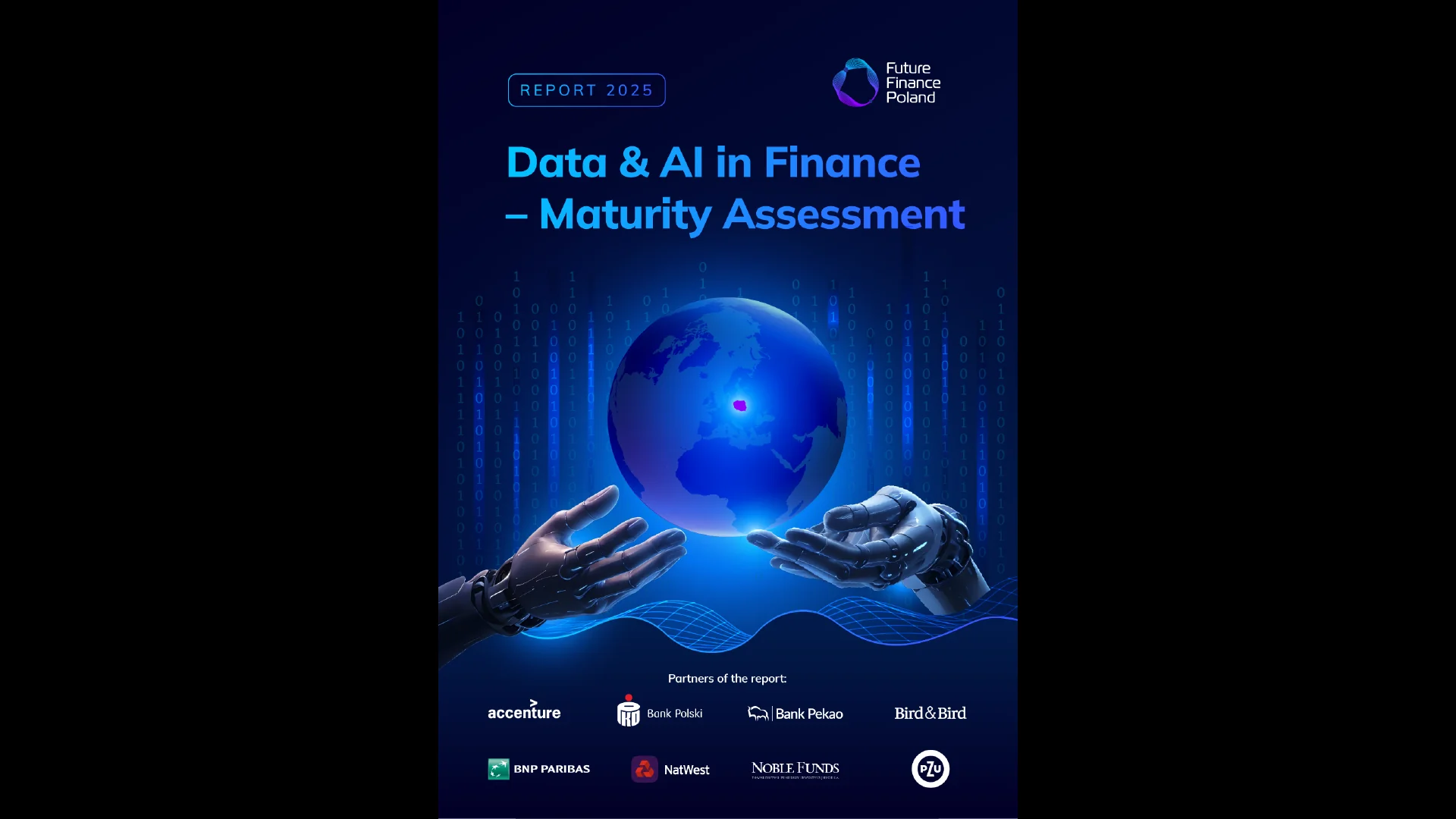 Download PDF下载 PDF下載 PDFPDF 다운로드تنزيل ملف PDF
 Publication Details出版物详情出版物詳情간행물 정보تفاصيل المنشور
- Publisher出版方出版方발행 기관الناشر
- Future Finance Poland (FFP)波兰未来金融基金会(FFP)波蘭未來金融基金會(FFP)퓨처 파이낸스 폴란드(FFP)Future Finance Poland (FFP)
- Authors作者作者저자المؤلفون
- FFP Data & AI Specialization contributorsFFP数据与人工智能专项工作组FFP數據與人工智能專項工作組FFP 데이터·AI 전문 분과 참여자المساهمون في مجموعة التخصص في البيانات والذكاء الاصطناعي لدى FFP
- Type类型類型유형النوع
- Sector Report行业报告行業報告부문 보고서تقرير قطاعي
- Date日期日期날짜التاريخ
- March 20252025 年 3 月2025 年 3 月2025년 3월مارس 2025
- Pages页数頁數페이지عدد الصفحات
- 119119119119119
About Future Finance Poland关于波兰未来金融基金会關於波蘭未來金融基金會퓨처 파이낸스 폴란드 소개نبذة عن Future Finance Poland
Future Finance Poland (FFP) is a foundation bringing together market leaders and legal and technology experts to advance Poland's financial sector.波兰未来金融基金会(FFP)汇聚市场领袖及法律与技术专家,共同推动波兰金融业的发展。波蘭未來金融基金會(FFP)匯聚市場領袖及法律與技術專家,共同推動波蘭金融業的發展。퓨처 파이낸스 폴란드(FFP)는 시장 선도 기업과 법률·기술 전문가들이 모여 폴란드 금융 부문의 발전을 도모하는 재단이다.Future Finance Poland (FFP) مؤسسة تجمع قادة السوق وخبراء القانون والتكنولوجيا للنهوض بالقطاع المالي في بولندا.
futurefinancepoland.com →futurefinancepoland.com →futurefinancepoland.com →futurefinancepoland.com →futurefinancepoland.com ←Abstract摘要摘要초록الملخص
Prepared as part of Future Finance Poland's Data & AI Specialization, this report brings together contributors from Bank Pekao, PZU Group, NatWest, PKO Bank Polski, BNP Paribas, Accenture, Visa, the IDEAS Research Institute, and Poland's Ministry of Digital Affairs to assess the maturity of data and AI adoption across the Polish financial sector. It opens by situating Poland within global AI investment dynamics — noting the announced $500 billion Stargate joint venture and the European Commission's InvestAI initiative to mobilise €200 billion — and reports that over 600,000 Polish companies plan to implement cloud and AI solutions, according to Ministry of Digital Affairs research, while automation-driven AI is projected to add PLN 775 billion to Polish GDP by 2028 even as the workforce is expected to shrink by roughly 2.1 million people by 2035.本报告是波兰未来金融基金会"数据与人工智能专项计划"的成果之一,汇聚了波兰百科银行(Bank Pekao)、波兰再保险集团(PZU)、NatWest、波兰国家储蓄银行(PKO Bank Polski)、法国巴黎银行(BNP Paribas)、埃森哲(Accenture)、Visa、IDEAS研究院及波兰数字事务部等多方代表的贡献,旨在评估波兰金融业在数据与人工智能应用方面的成熟程度。报告开篇将波兰置于全球人工智能投资格局中加以审视——提及已宣布的5000亿美元"星门"(Stargate)合资项目,以及欧盟委员会旨在动员2000亿欧元资金的"InvestAI"倡议;并援引波兰数字事务部的研究数据指出,已有超过60万家波兰企业计划部署云计算与人工智能解决方案,而由自动化驱动的人工智能预计到2028年将为波兰GDP增加7750亿兹罗提,尽管到2035年该国劳动人口预计将减少约210万人。本報告是波蘭未來金融基金會「數據與人工智能專項計劃」的成果之一,匯聚了波蘭百科銀行(Bank Pekao)、波蘭再保險集團(PZU)、NatWest、波蘭國家儲蓄銀行(PKO Bank Polski)、法國巴黎銀行(BNP Paribas)、埃森哲(Accenture)、Visa、IDEAS研究院及波蘭數字事務部等多方代表的貢獻,旨在評估波蘭金融業在數據與人工智能應用方面的成熟程度。報告開篇將波蘭置於全球人工智能投資格局中加以審視——提及已宣布的5000億美元「星門」(Stargate)合資項目,以及歐盟委員會旨在動員2000億歐元資金的「InvestAI」倡議;並援引波蘭數字事務部的研究數據指出,已有超過60萬家波蘭企業計劃部署雲計算與人工智能解決方案,而由自動化驅動的人工智能預計到2028年將為波蘭GDP增加7750億茲羅提,儘管到2035年該國勞動人口預計將減少約210萬人。퓨처 파이낸스 폴란드의 데이터·AI 전문 분과 활동의 일환으로 작성된 이 보고서는 Bank Pekao, PZU Group, NatWest, PKO Bank Polski, BNP Paribas, Accenture, Visa, IDEAS 연구소, 폴란드 디지털부의 참여자들이 함께 폴란드 금융 부문 전반의 데이터·AI 도입 성숙도를 평가한다. 보고서는 먼저 발표된 5,000억 달러 규모의 Stargate 합작투자와 2,000억 유로 동원을 목표로 하는 유럽연합 집행위원회의 InvestAI 이니셔티브를 언급하며 글로벌 AI 투자 흐름 속에서 폴란드의 위치를 짚는다. 또한 디지털부 조사에 따르면 60만 개가 넘는 폴란드 기업이 클라우드와 AI 솔루션 도입을 계획하고 있으며, 자동화 중심의 AI는 2028년까지 폴란드 GDP에 7,750억 즐로티를 더할 것으로 전망되는 한편, 노동력은 2035년까지 약 210만 명 감소할 것으로 예상된다고 보고한다.أُعدّ هذا التقرير في إطار مجموعة التخصص في البيانات والذكاء الاصطناعي لدى Future Finance Poland، ويجمع مساهمين من Bank Pekao وPZU Group وNatWest وPKO Bank Polski وBNP Paribas وAccenture وVisa ومعهد IDEAS للأبحاث ووزارة الشؤون الرقمية البولندية لتقييم مستوى نضج تبنّي البيانات والذكاء الاصطناعي في القطاع المالي البولندي. ويستهل التقرير بوضع بولندا في سياق ديناميكيات الاستثمار العالمي في الذكاء الاصطناعي — مشيرًا إلى المشروع المشترك Stargate المُعلن عنه بقيمة 500 مليار دولار أمريكي، ومبادرة InvestAI التابعة للمفوضية الأوروبية لحشد 200 مليار يورو — ويفيد بأن أكثر من 600 ألف شركة بولندية تعتزم تطبيق حلول الحوسبة السحابية والذكاء الاصطناعي، وفقًا لأبحاث وزارة الشؤون الرقمية، في حين يُتوقع أن يضيف الذكاء الاصطناعي القائم على الأتمتة 775 مليار زلوتي بولندي إلى الناتج المحلي الإجمالي لبولندا بحلول عام 2028، رغم توقع انكماش القوى العاملة بنحو 2.1 مليون شخص بحلول عام 2035.
A central theme running through the report is what contributors call the "chicken-or-the-egg dilemma" of data and AI: the finding that AI development is impossible without good-quality data, while the potential of generating and analysing data is itself limited without advanced AI, making the two interdependent. The report also documents the U.S. administration's early-2025 restriction classifying Poland as a "tier 2" country permitted to import 50,000 (potentially rising to 100,000) high-end AI chips, a decision Polish experts and officials criticised as a threat to the country's AI ambitions, alongside discussion of the newly established IDEAS Research Institute, formed by the Polish government in February 2025 under Prof. Piotr Sankowski to advance AI research in healthcare, defence, public administration, and smart cities.贯穿全篇报告的一个核心主题,是各位撰稿人所称的数据与人工智能之间的"先有鸡还是先有蛋"难题:报告指出,没有优质数据,人工智能的发展便无从谈起;而若缺乏先进的人工智能技术,数据生成与分析的潜力本身也将受限,二者由此形成相互依存的关系。报告还记录了美国政府在2025年初出台的出口限制措施,将波兰列为"二级"国家,允许其进口5万个(未来可能提升至10万个)高端人工智能芯片;波兰专家与政府官员对此措施表达了批评,认为其对该国的人工智能发展雄心构成威胁。此外,报告还探讨了新成立的IDEAS研究院——该机构由波兰政府于2025年2月设立,由Piotr Sankowski教授领衔,致力于推动医疗健康、国防、公共行政及智慧城市等领域的人工智能研究。貫穿全篇報告的一個核心主題,是各位撰稿人所稱的數據與人工智能之間的「先有雞還是先有蛋」難題:報告指出,沒有優質數據,人工智能的發展便無從談起;而若缺乏先進的人工智能技術,數據生成與分析的潛力本身也將受限,二者由此形成相互依存的關係。報告還記錄了美國政府在2025年初出台的出口限制措施,將波蘭列為「二級」國家,允許其進口5萬個(未來可能提升至10萬個)高端人工智能晶片;波蘭專家與政府官員對此措施表達了批評,認為其對該國的人工智能發展雄心構成威脅。此外,報告還探討了新成立的IDEAS研究院——該機構由波蘭政府於2025年2月設立,由Piotr Sankowski教授領銜,致力於推動醫療健康、國防、公共行政及智慧城市等領域的人工智能研究。보고서 전반을 관통하는 핵심 주제는 참여자들이 데이터와 AI의 “닭이 먼저냐 달걀이 먼저냐 딜레마”라고 부르는 문제이다. 즉 양질의 데이터 없이는 AI 개발이 불가능하고, 반대로 고도화된 AI 없이는 데이터 생성과 분석의 잠재력도 제한되므로 둘은 상호의존적이라는 것이다. 보고서는 또한 2025년 초 미국 행정부가 폴란드를 고성능 AI 칩 5만 개(최대 10만 개까지 늘어날 수 있음)의 수입이 허용되는 “2등급” 국가로 분류한 제한 조치를 기록하는데, 폴란드 전문가와 관료들은 이 결정이 국가의 AI 구상에 위협이 된다고 비판했다. 아울러 의료, 국방, 공공행정, 스마트시티 분야의 AI 연구를 진흥하기 위해 2025년 2월 폴란드 정부가 Piotr Sankowski 교수를 중심으로 설립한 IDEAS 연구소에 대해서도 다룬다.ومن المحاور الرئيسية التي تتخلل التقرير ما يسميه المساهمون «معضلة الدجاجة أم البيضة» في مجال البيانات والذكاء الاصطناعي: أي أن تطوير الذكاء الاصطناعي مستحيل من دون بيانات عالية الجودة، في حين أن إمكانات توليد البيانات وتحليلها تظل محدودة في ذاتها من دون ذكاء اصطناعي متقدم، مما يجعل الاثنين مترابطين. ويوثق التقرير أيضًا القيد الذي فرضته الإدارة الأمريكية في مطلع عام 2025 بتصنيف بولندا دولةً من «الفئة الثانية» يُسمح لها باستيراد 50 ألف شريحة ذكاء اصطناعي متطورة (قد ترتفع إلى 100 ألف)، وهو قرار انتقده خبراء ومسؤولون بولنديون بوصفه تهديدًا لطموحات البلاد في مجال الذكاء الاصطناعي، إلى جانب مناقشة معهد IDEAS للأبحاث المُنشأ حديثًا، الذي أسسته الحكومة البولندية في فبراير 2025 برئاسة البروفيسور Piotr Sankowski للنهوض بأبحاث الذكاء الاصطناعي في مجالات الرعاية الصحية والدفاع والإدارة العامة والمدن الذكية.
Across its nine chapters, the report covers the labour market impact of generative AI on finance roles, hyperscalers' perspectives on the Polish market, the experience of Chief Data and AI Officers at institutions including PZU, BNP Paribas, and Visa, talent-pool challenges in acquiring data and AI specialists, comparative practices from the ASEAN region and Australia, and the legal and regulatory landscape for AI implementation in financial services, including PZU Group's work on AI governance ahead of the EU AI Act. It closes with a strategic comment on Poland's potential to become a key AI hub in the Central and Eastern European region, contingent on continued investment in data centres, AI software engineering, and cooperation with international corporations.报告共分九章,内容涵盖生成式人工智能对金融业岗位所带来的劳动力市场影响、各大云计算巨头(Hyperscalers)对波兰市场的看法、包括PZU、法国巴黎银行及Visa在内多家机构首席数据与人工智能官的实践经验、企业在招募数据与人工智能专业人才方面所面临的人才储备挑战、来自东盟地区及澳大利亚的比较实践经验,以及金融业实施人工智能所涉及的法律与监管环境,其中包括PZU集团在欧盟《人工智能法案》出台前所开展的人工智能治理相关工作。报告最后提出一项战略性观点:只要持续加大对数据中心、人工智能软件工程及国际企业合作的投入,波兰便有潜力成为中东欧地区重要的人工智能枢纽。報告共分九章,內容涵蓋生成式人工智能對金融業崗位所帶來的勞動力市場影響、各大雲計算巨頭(Hyperscalers)對波蘭市場的看法、包括PZU、法國巴黎銀行及Visa在內多家機構首席數據與人工智能官的實踐經驗、企業在招募數據與人工智能專業人才方面所面臨的人才儲備挑戰、來自東盟地區及澳大利亞的比較實踐經驗,以及金融業實施人工智能所涉及的法律與監管環境,其中包括PZU集團在歐盟《人工智能法案》出台前所開展的人工智能治理相關工作。報告最後提出一項戰略性觀點:只要持續加大對數據中心、人工智能軟件工程及國際企業合作的投入,波蘭便有潛力成為中東歐地區重要的人工智能樞紐。보고서는 9개 장에 걸쳐 생성형 AI가 금융 직무의 노동시장에 미치는 영향, 하이퍼스케일러의 폴란드 시장 관점, PZU, BNP Paribas, Visa 등 기관의 최고데이터·AI책임자(CDAO) 경험, 데이터·AI 전문 인력 확보를 둘러싼 인재풀 과제, 아세안(ASEAN) 지역과 호주의 비교 사례, 그리고 EU AI법 시행에 앞선 PZU Group의 AI 거버넌스 작업을 포함해 금융서비스 분야 AI 도입을 둘러싼 법률·규제 환경을 다룬다. 보고서는 데이터센터, AI 소프트웨어 엔지니어링에 대한 지속적인 투자와 글로벌 기업과의 협력을 전제로 폴란드가 중동부 유럽 지역의 핵심 AI 허브가 될 잠재력에 관한 전략적 논평으로 마무리된다.وعلى امتداد فصوله التسعة، يتناول التقرير أثر الذكاء الاصطناعي التوليدي في سوق العمل على الوظائف المالية، ورؤى كبار مزودي الخدمات السحابية (hyperscalers) بشأن السوق البولندية، وتجارب كبار مسؤولي البيانات والذكاء الاصطناعي في مؤسسات من بينها PZU وBNP Paribas وVisa، والتحديات المتعلقة بمجمّع المواهب في استقطاب المتخصصين في البيانات والذكاء الاصطناعي، والممارسات المقارنة في منطقة آسيان وأستراليا، والمشهد القانوني والتنظيمي لتطبيق الذكاء الاصطناعي في الخدمات المالية، بما في ذلك عمل PZU Group على حوكمة الذكاء الاصطناعي استعدادًا لقانون الذكاء الاصطناعي الأوروبي. ويُختتم بتعليق استراتيجي حول إمكانية أن تصبح بولندا مركزًا رئيسيًا للذكاء الاصطناعي في منطقة وسط وشرق أوروبا، رهنًا بمواصلة الاستثمار في مراكز البيانات وهندسة برمجيات الذكاء الاصطناعي والتعاون مع الشركات الدولية.